02 · the shoot
a presenter you picked, in a room you picked, saying your words
not every reel is a pure ad. forward a talking head — or ask a reel that is both for your take on it — and a talking head comes back: your words, said by a presenter you pick, in a room you pick. no camera, no lighting, no second take that never gets scheduled.
the cast
thirteen presenters, and the faces are ours
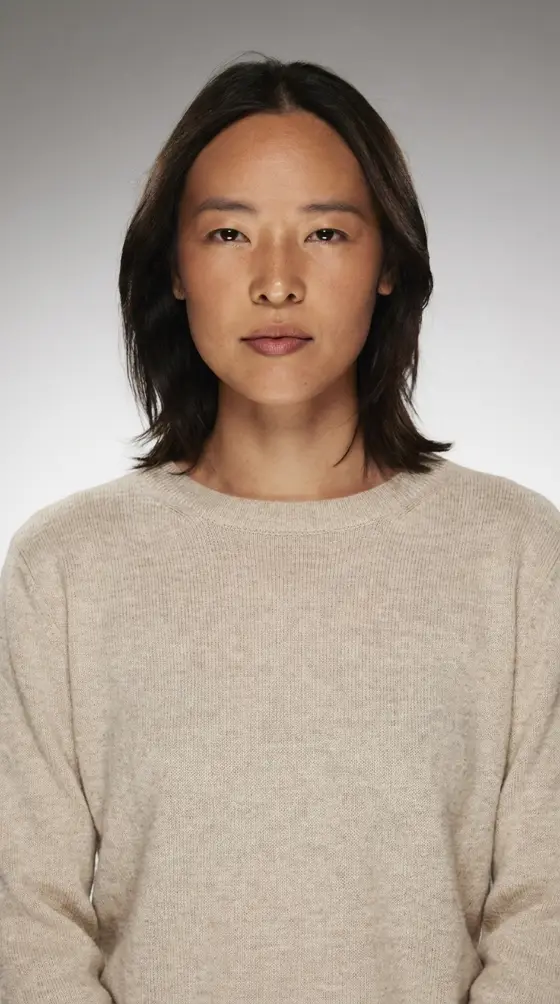
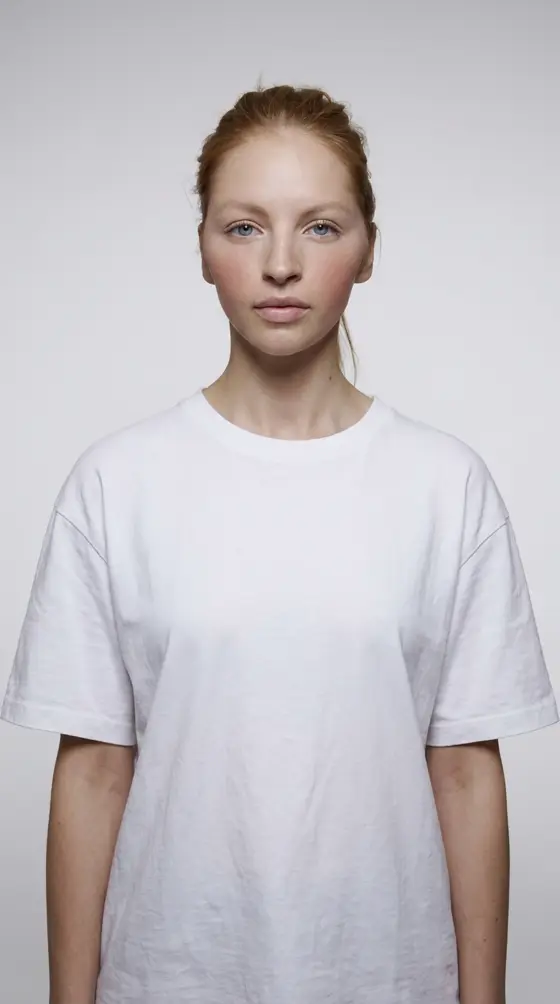
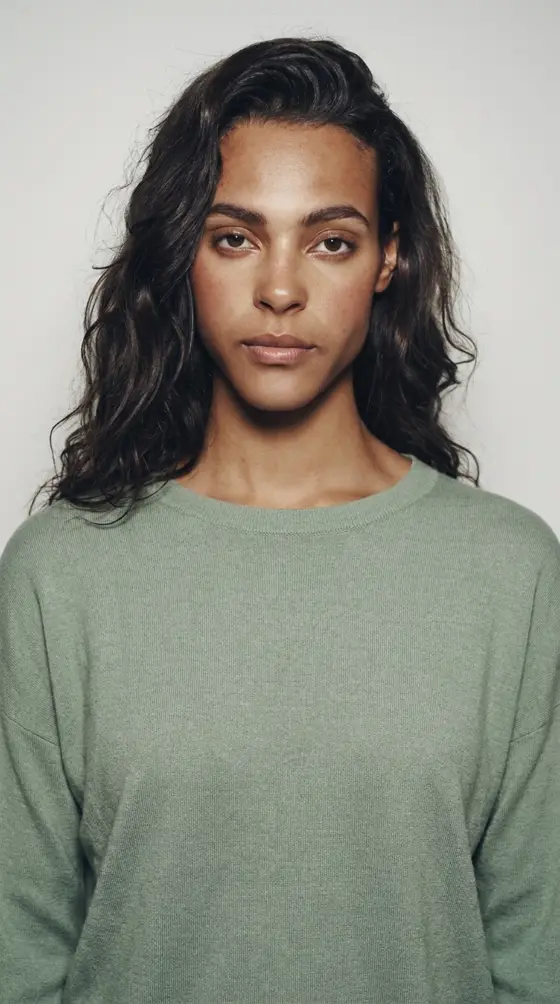
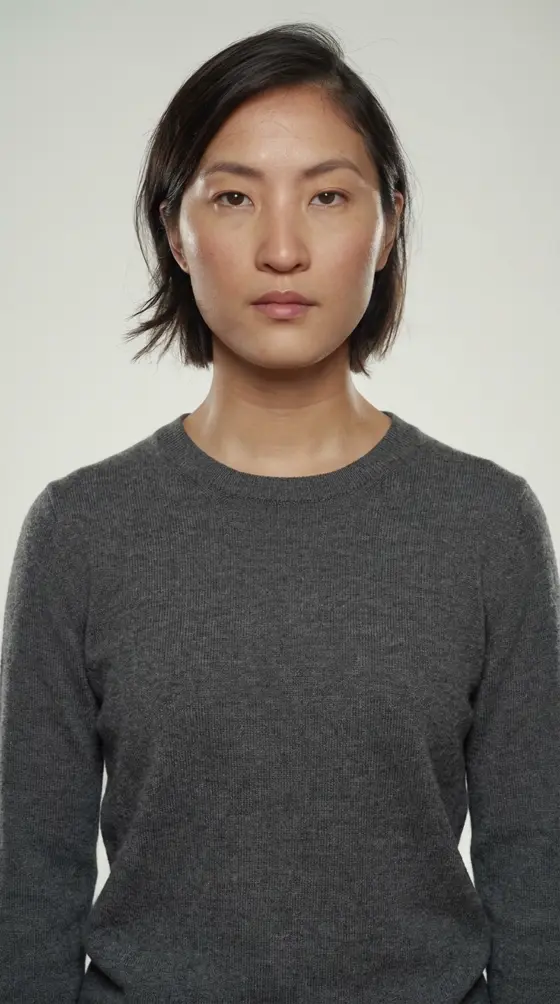
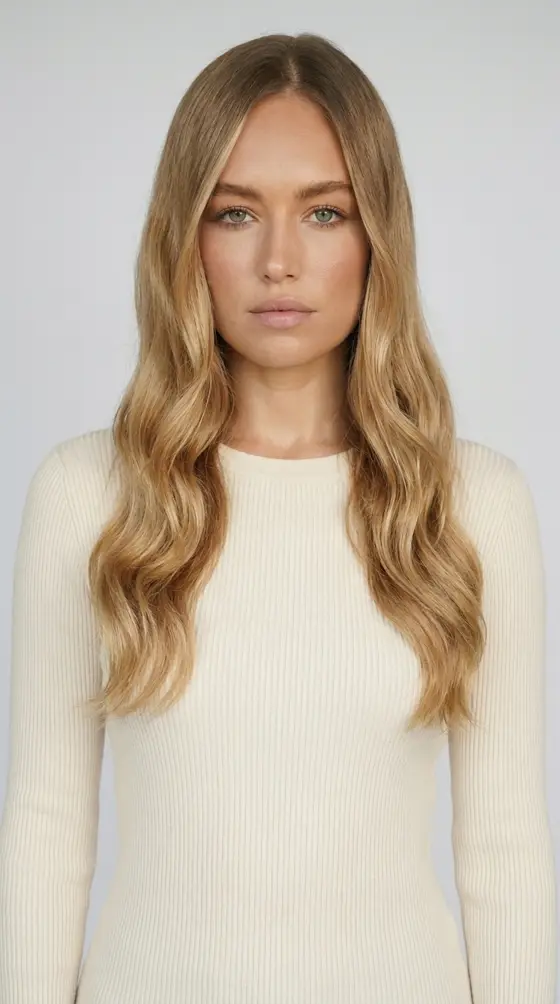
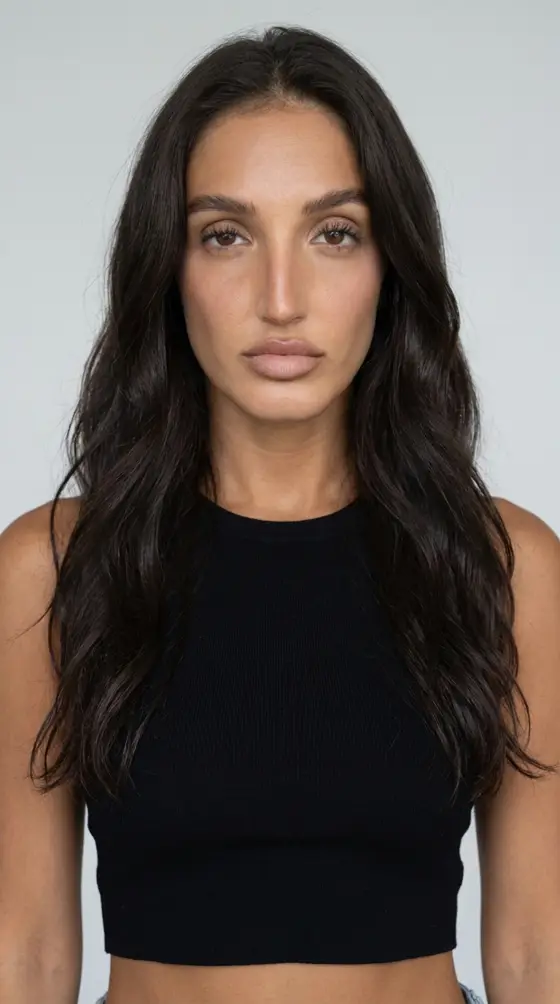
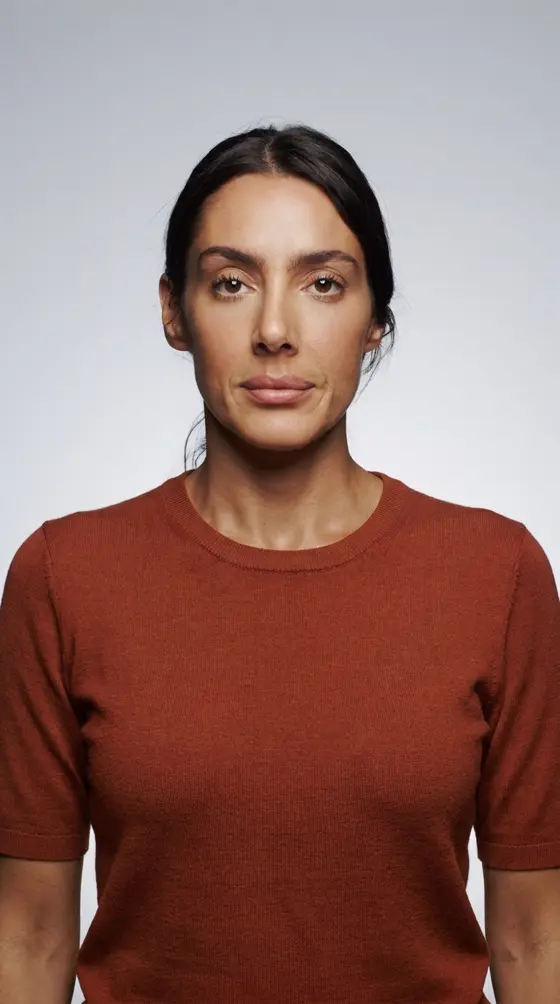
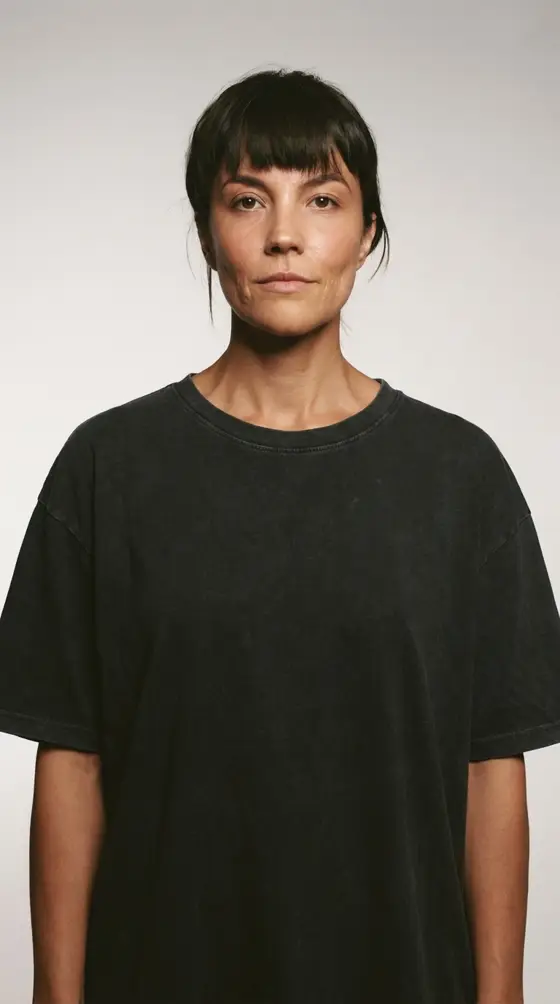
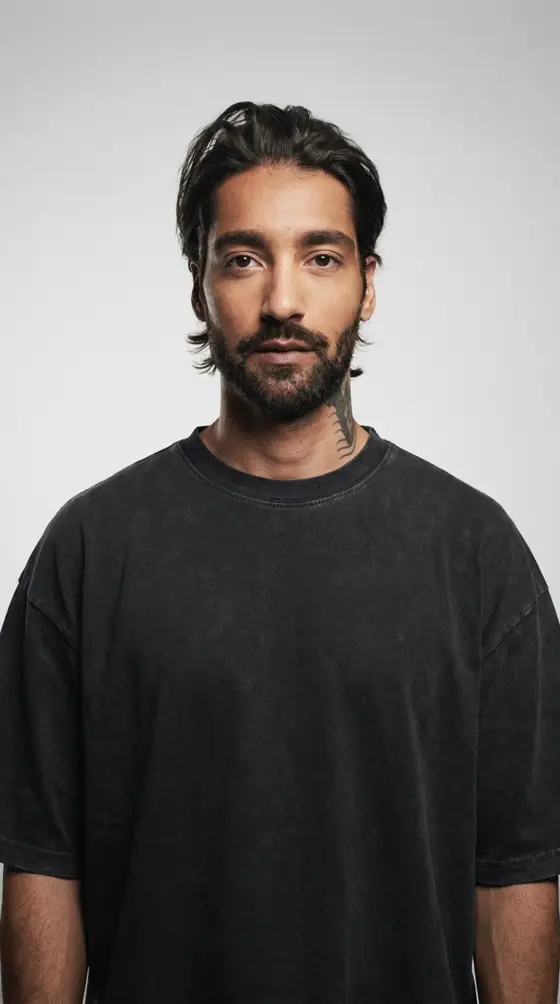
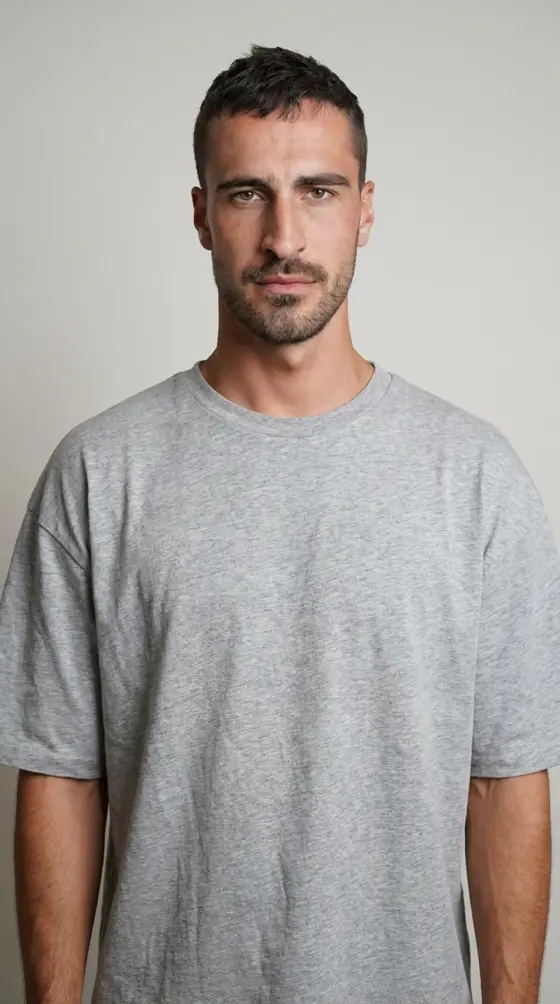
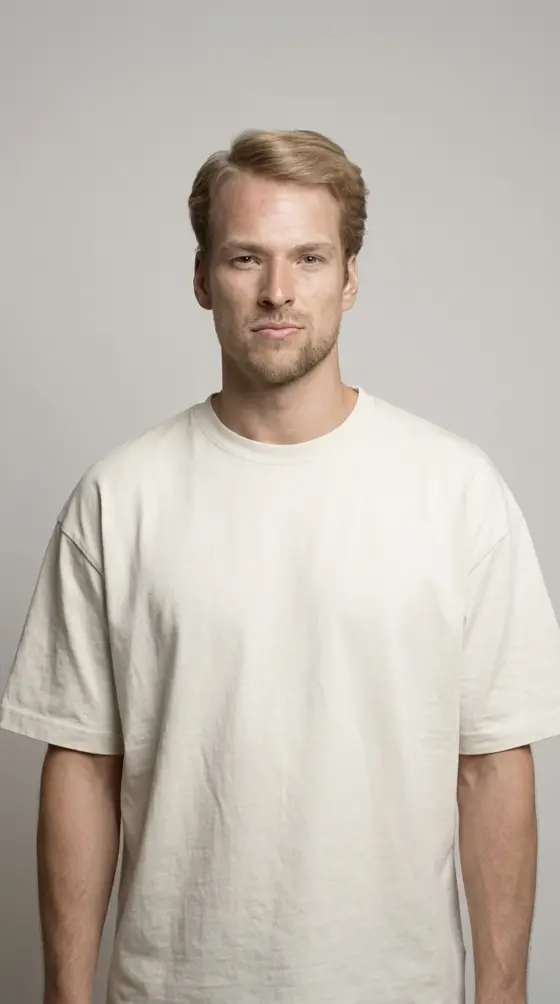
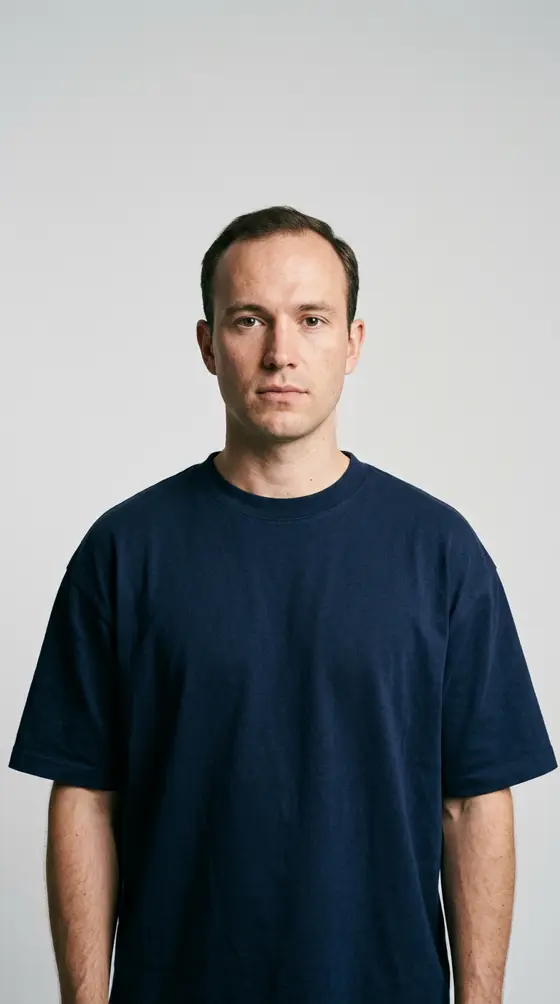
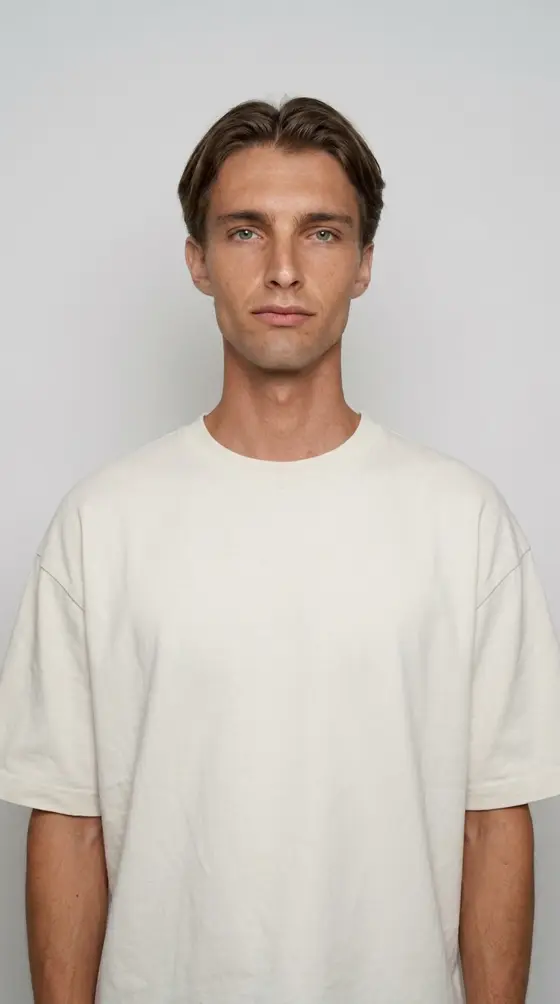
thirteen, and you pick. never a real person’s face out of the reel you forwarded — not the presenter in it, not a customer, not somebody walking past. every face on a selida video is one of these.
you are asked only when the rebuild puts somebody on screen. a talking head always does. an ad clone does it only if the ad you forwarded did — and when it did not, nobody is cast, because there is no face in that film to get wrong. a voice is still chosen for it: picked for you already, written as a name rather than a portrait, and yours to swap.
the rooms
twelve rooms, and they belong to the talking head
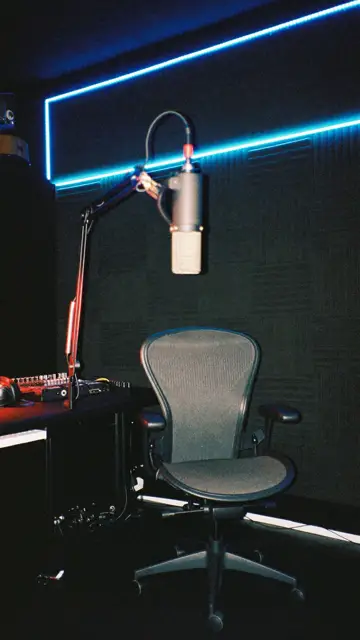
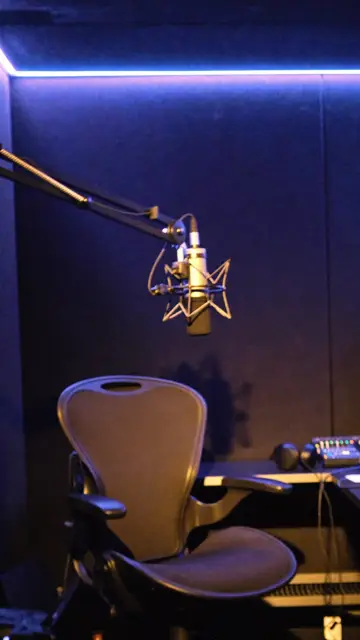
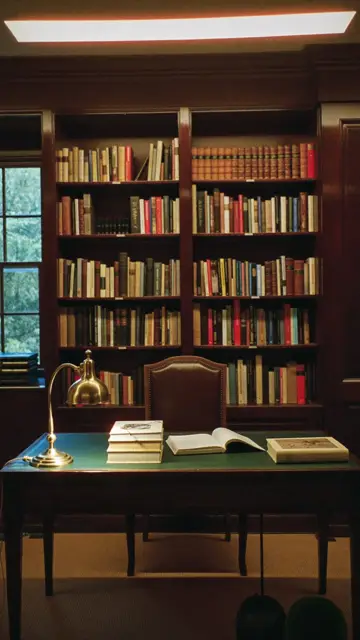
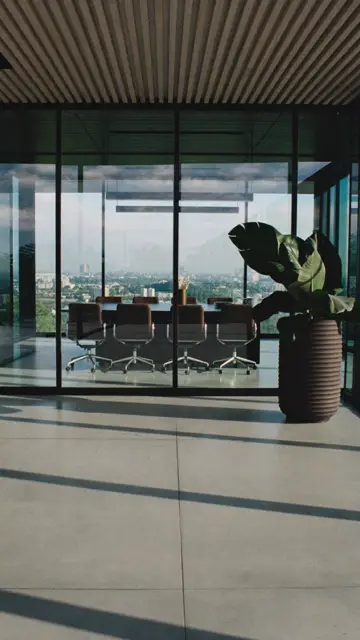
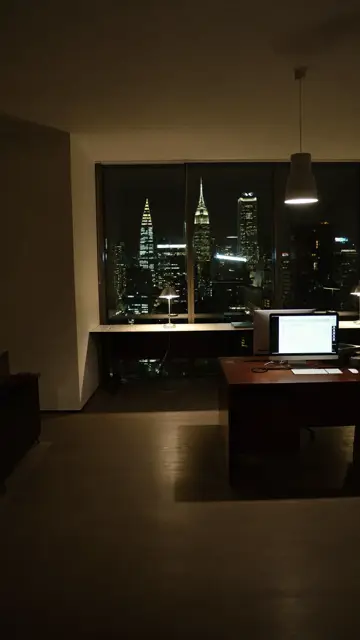
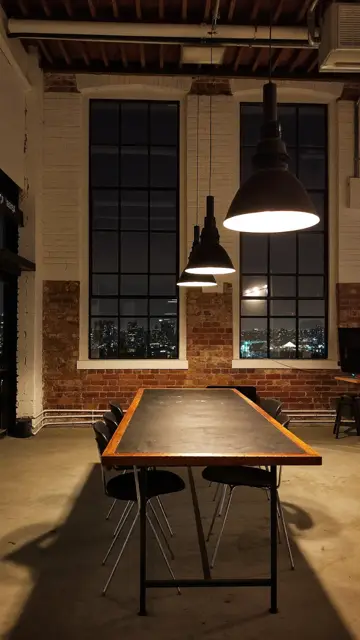
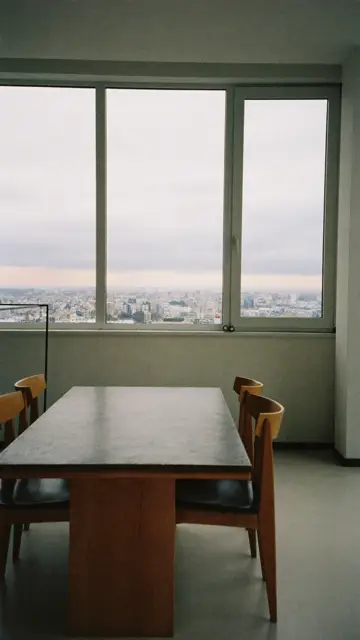
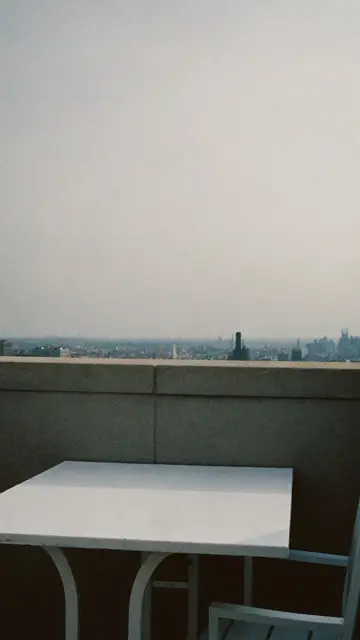
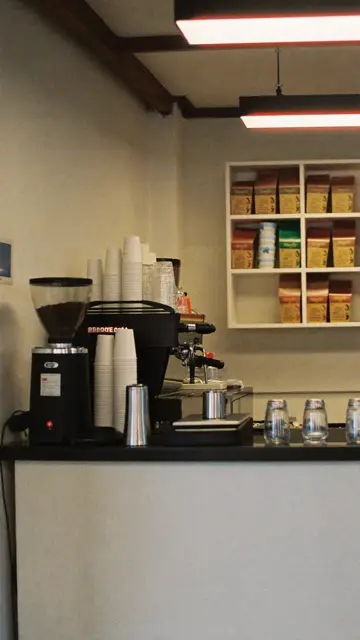
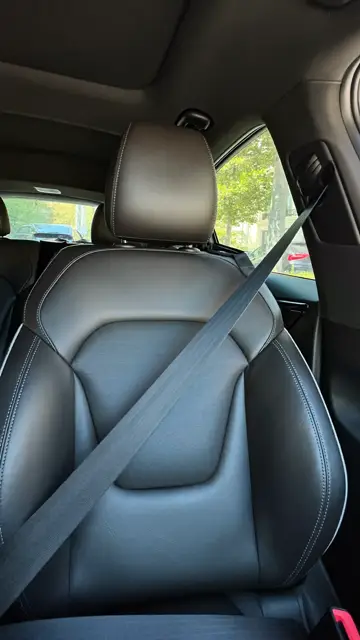
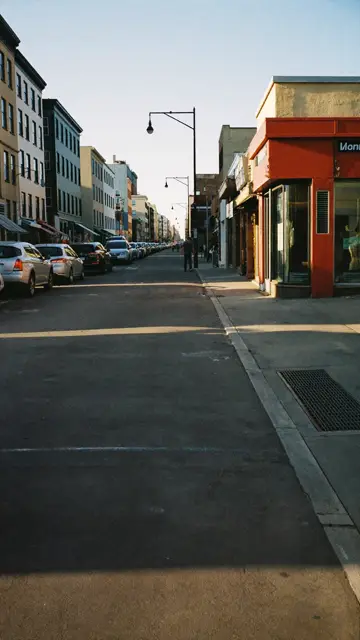
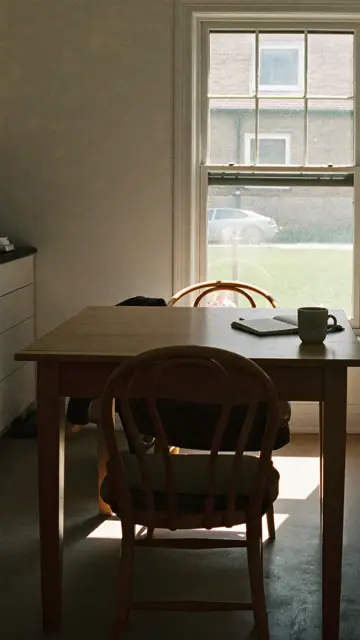
a room is a place and the camera grammar that goes with it. five of them are selfie rooms: the camera is their phone and nobody else is there. the other seven are scene rooms, where a camera exists and somebody shot this. they are two different things to post and you always know which one you picked.
a rebuilt ad is not shot in one of them. it wears the look of the reel you forwarded, shot by shot, off that reel’s own board — so there is no room to pick and none of these twelve applies to it. the room is a question the reel writer is asked: always on a talking head, and on a reel that is both when you ask it for your take rather than for the grid.
the camera
shot with seedance 2.5
one model, named, on every take. picture and voice, and nothing laid over the top: there is no music on a selida video. a seam is a thing to fix, not a thing to cover.
the ask
three things you can ask a reel for
make it mine
their video, remade about your business.
my take
your reply to what the reel actually says.
both at once
remade as yours, and it answers their point.
a pure product ad has one, because a clone of an ad is one thing — the shots are the source’s and the words are yours. a reel that is both — somebody on camera with the thing they sell — keeps all three, and the one you pick is the one that decides how it gets made.
before it shoots
you read the script first
nothing renders until you have seen it. the beats, the words, the length — all on screen, and the length comes off the reel you forwarded rather than off a guess.
if a claim in it is wrong there is a box under it on that same page: say what to fix and it is written again, in front of you. the correction happens where the script is, not in the thread.
the checks
what a take has to pass before it is yours
the words
what comes back has to be the script you already read. a take whose speech drifted off it does not ship.
the pace
it has to come back at a speed a person speaks at. one that raced through the script is not a shorter video, it is a broken one.
the face
on a film that has one, the presenter who turns up has to be the one you picked.
the product
what is on screen has to be the thing in your own photographs, and not a plausible lookalike of it.
the shots
the takes have to show what the board said they would show, shot by shot, before any of them are stitched.
the sync
the voice is laid back onto the picture and the drift is measured and repaired before anything is delivered.
a take that fails
is not delivered, and it does not quietly become the thing you post. the page you land on is named after the check that caught it rather than calling everything a failed render — and you are not charged for it.